%20(8).svg)
Brief a Creator
Without Losing Voice.
.svg)
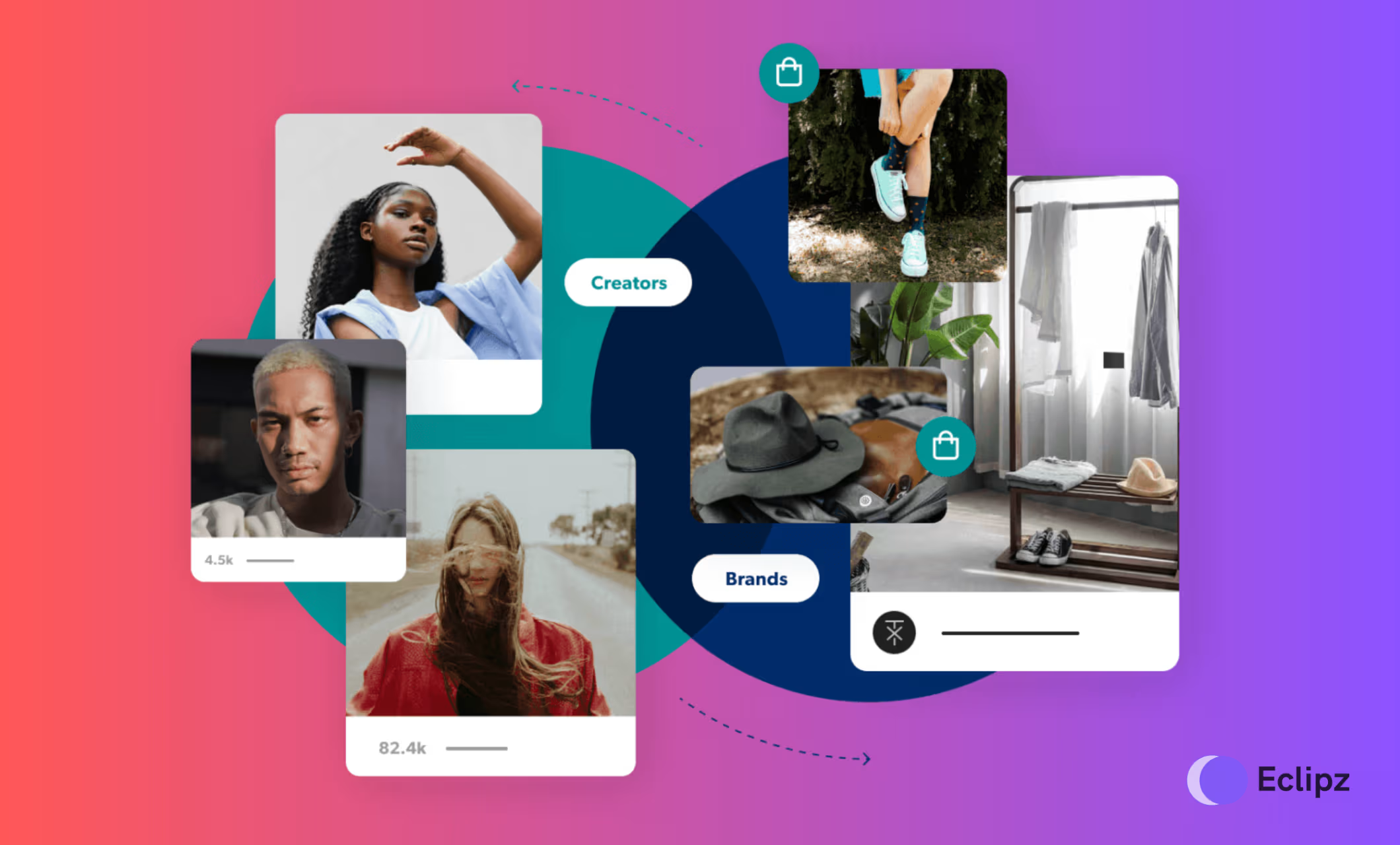

The fastest way to ruin a good creator partnership is to hand them a script. When a creator sounds like they are reading a teleprompter, viewers tune out. The best UGC scripts do not sound like scripts at all — they sound like real people speaking naturally. Briefing is not about controlling every word. It is about giving enough direction to protect the brand while leaving enough room for the content to feel real.
WHY OVER-SCRIPTING BACKFIRES
A major beauty brand once launched a campaign with strict content requirements, dictating every frame, word and angle. Fifty influencers posted nearly identical, controlled content. Controlling content created controlled — meaning terrible — results.
The lesson is simple. Creators need guard rails, not handcuffs. Enough direction to protect the brand, but enough freedom to create something that actually works. Audiences in 2026 can spot a scripted ad within seconds, and the moment they do, trust disappears along with engagement.
STRUCTURE AND FREEDOM ARE NOT OPPOSITES
Brands often mistake authentic for unstructured. That is the wrong assumption. The most effective UGC briefs use proven frameworks like Hook, Problem, Solution, Call to Action — they just do not feel like frameworks to the viewer.
The brief should provide the skeleton. The creator should provide everything that makes it feel human - tone, pacing, word choice and the small personal details that a script could never capture. Offer structure, but leave room for creators to interpret and personalise their delivery.
WHAT ACTUALLY BELONGS IN A GOOD BRIEF
A strong brief covers brand voice guidelines, target audience details, three to five key messages, visual requirements, creative reference examples, the approval process and revision guidelines. What it should not include is a word-for-word script the creator is expected to read verbatim.
Detailed, well-organised briefs lead to faster project completion - brands with clear briefs see significantly faster turnaround compared to vague instructions. Spending one extra hour writing a clear brief saves three to five hours in revision communication later. Clarity and creative freedom are not in conflict. The brief just needs to specify the right things.
LET THE CREATOR TELL YOU WHAT WORKS
Brands need to understand what makes a creator's content actually work before writing the brief. Once you know the factors behind a creator's most successful videos, you can shape the brief around that - giving the campaign the best chance of landing the brand message.
This means looking at the creator's existing top-performing content before sending a brief, not after. A creator who built their audience through casual, conversational videos should never be handed a brief written in formal marketing language.
WHAT CREATORS ACTUALLY WANT FROM A BRIEF
Based on direct creator feedback, the top things creators want from brands are clear briefs, fast communication, creative freedom, realistic expectations and mutual respect.
Notice that "creative freedom" sits alongside "clear briefs," not against it. The two are not in tension. A brief can be detailed about goals and messaging while staying completely open about execution. That balance is what separates content that performs from content that gets skipped.